

From Ideation to Smart Farming Systems: Goodall Salima Advances Precision Agriculture
Digital agriculture is increasingly a key driver of efficiency and productivity in smallholder farming systems, offering new ways to manage water, monitor crops, and support timely decision-making through data-driven tools.
One such innovation is emerging from Goodall Salima, who is developing a Smart Precision Farming System to support modernised greenhouse and field production, relevant to promoting agri-food resilience in Malawi and Sub-Saharan Africa.
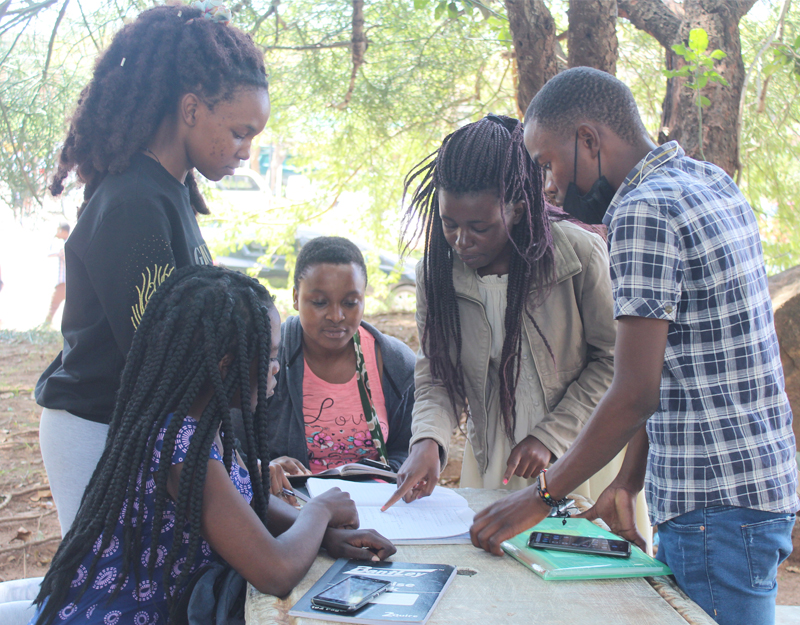
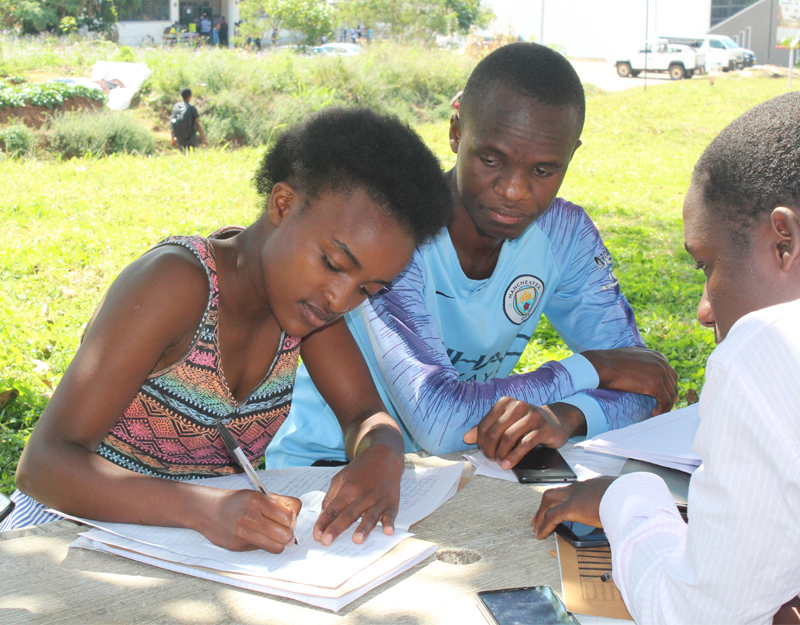
During a field visit on 19 June 2026, the Centre for Resilient Agri-Food Systems (CRAFS) at the University of Malawi engaged with Salima to review progress on a prototype smart farming system supported through the Community Actionable Research Projects for Enterprise (CARP-E) programme.
The system, currently operating on a single-board computer, represents a low-cost precision agriculture solution tailored for smallholder and emerging commercial farmers. With CRAFS-CARP-E funding of US$5,000, the project procured key components, including a solar panel, batteries, a large power inverter, and a router, ensuring reliable, off-grid system functionality.
The Smart Precision Farming System is designed to enhance resilient agricultural productivity by enabling water and temperature control, trend prediction, pest and disease detection, and AI-supported data analysis.
These features aim to improve irrigation management and support farmers in making timely and informed decisions based on real-time environmental and crop data.
The system is planned for deployment at the Namwenje Scheme Greenhouses in Domwe Village, Traditional Authority Makata, Blantyre, where it will support structured greenhouse production systems.
The scheme spans more than six hectares and involves 120 farmers, 70 of whom are women, highlighting its strong community participation and gender inclusion.
The main crops grown at the site include onions, cabbage, tomatoes, and bananas, among others. The introduction of the smart farming system is expected to enhance productivity, improve resource efficiency, and strengthen climate-resilient farming practices across the scheme.
During the visit, farmers expressed strong enthusiasm and appreciation for the innovation support, noting that the technology has the potential to significantly improve yields and farm management practices.
Through CARP-E, CRAFS continues to support the development and piloting of practical, research-driven innovations that address real agricultural challenges. The Smart Precision Farming System project reflects how digital agriculture solutions, when combined with community engagement and research support, can transform smallholder farming into more efficient, resilient, and data-driven systems.