

MANDIS Project conducts Stakeholder Engagement
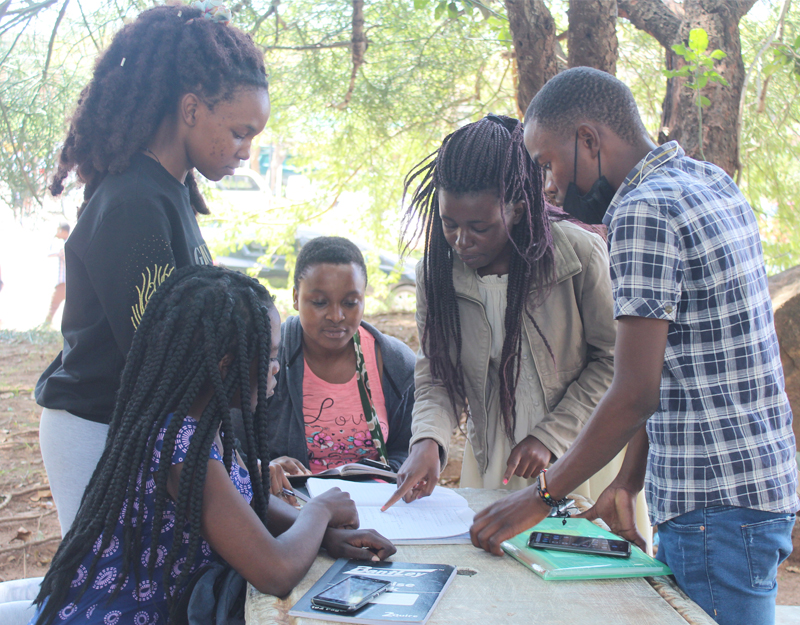
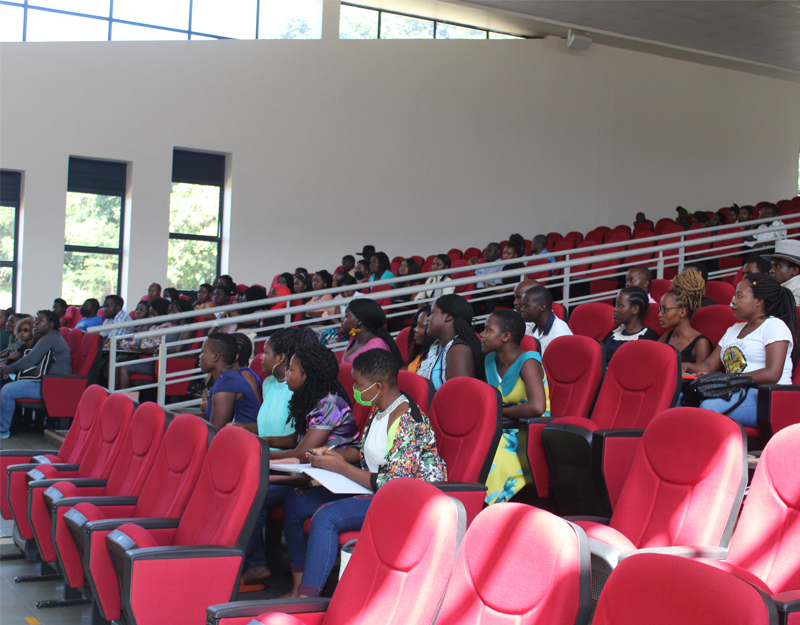
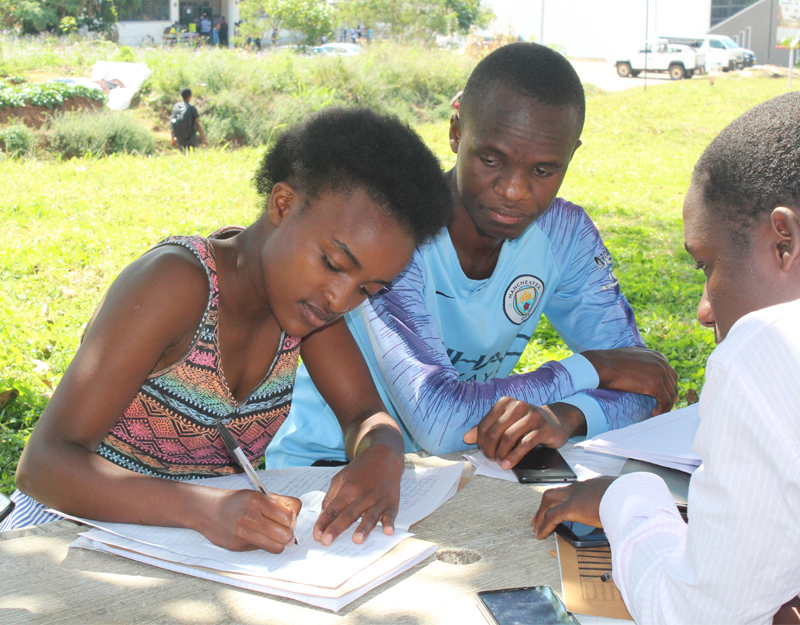
The University of Malawi’s Department of Biological Sciences and Biomedical Health Sciences, under the School of Natural and Applied Sciences, recently conducted a Stakeholder Engagement and Co-Creation Meeting for the “Adaptation of Intake24 to Assess Dietary Patterns and Their Association with Chronic Diseases in Malawi” project.
The Malawi National Dietary Intake Survey (MANDIS) project is led by Dr. Yankho Kaimila, a lecturer in the Department of Biological Sciences and Biomedical Health Sciences. The initiative seeks to address a critical national gap in dietary assessment and nutrition surveillance. The project will run for five years and is funded by the UK Research and Innovation (UKRI) Medical Research Council.
The workshop was officially opened by Professor Cosmo Ngongondo, Executive Dean of the School of Natural and Applied Sciences, on behalf of the Vice-Chancellor, Professor Samson Sajidu, at Ufulu Gardens in Lilongwe on 5th to 6th March, 2026.
The MANDIS project seeks to assess the types of foods that Malawians consume and how these dietary patterns are associated with different health outcomes. Unlike many studies that focus on specific groups, this survey aims to cover the entire population in order to identify national trends and patterns in food consumption and health.
The workshop brought together various stakeholders from different institutions, including the Kamuzu University of Health Sciences (KUHES), World Food Programme (WFP), National Statistical Office (NSO), National Planning Commission (NPC), and the Malawi Epidemiology and Intervention Research Unit (MEIRU), among others.
Speaking during the opening ceremony, Professor Ngongondo noted that as the country continues to develop, people are increasingly adopting different dietary habits. If these changes are not properly monitored, they may have adverse effects on human health.
“As we have seen, Malawi is experiencing a growing number of non-communicable diseases, and some of these are linked to the kinds of food people consume,” said Professor Ngongondo.
He added that such collaborations allow researchers to examine the issue more comprehensively and take stock of what people are eating and how it affects human health. He further noted that the findings from the research will help inform policy, enabling the government to implement appropriate interventions and strategies to promote healthier diets and improve public health outcomes in Malawi.
The project lead, Dr Kaimila, also explained that Malawi is currently experiencing a rise in diet-related health conditions, including both undernutrition and diseases linked to poor dietary habits.
“One of the major challenges we are facing is that while some people are consuming too many unhealthy foods, others are not getting enough of the essential nutrients they require. However, Malawi currently lacks a comprehensive system for tracking these dietary patterns across the whole population,” Dr Kaimila said.
The project will utilise an online dietary assessment tool known as INTAKE24, which will be adapted to suit the Malawian context. Through this system, participants will be able to record what they ate during the previous 24 hours, after which the platform will automatically analyse the information.
The project is being implemented by the University of Malawi in collaboration with other institutions, including the Lilongwe University of Agriculture and Natural Resources, as well as international partners such as the University of Reading and the University of Cambridge in the United Kingdom.
Please log onto Intake24 : https://admin.intake24.org/ to view and manage your survey.
We have set the survey to 'auto generate' links so you can use the link here to log on to the recall : https://app.intake24.org/MANDIS-TEST