

UNIMA Hosts Arduino Day 2026
As Arduino Day was celebrated worldwide, the University of Malawi (UNIMA), through its Department of Physics and Electronics, marked the occasion by hosting its own event on 28th March, 2026.
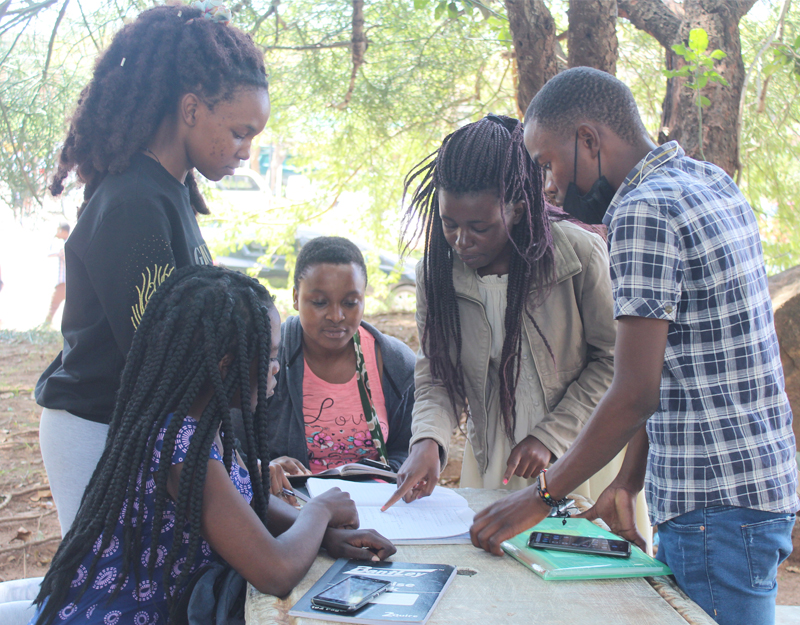
Held at UNIMA, the event brought together students, developers, and technology enthusiasts for a day dedicated to innovation, learning, and collaboration. Arduino Day is a global celebration of open-source electronics that provides a platform for participants to exchange ideas, build projects, and explore how Arduino technology can be applied to solve real-world challenges.
The event was organised by Qubix Robotics and Robotics Foundation Malawi in partnership with the Department of Physics and Electronics. This year’s theme, “Writing the Next Chapter of AI Together,” emphasised the growing relevance of artificial intelligence and the vital role young innovators play in shaping its future.
A range of activities took place throughout the day, including Arduino workshops, project exhibitions, and innovation talks. These sessions offered participants practical experience in Arduino programming and circuit design, while also enhancing their problem-solving, teamwork, and creative thinking skills.
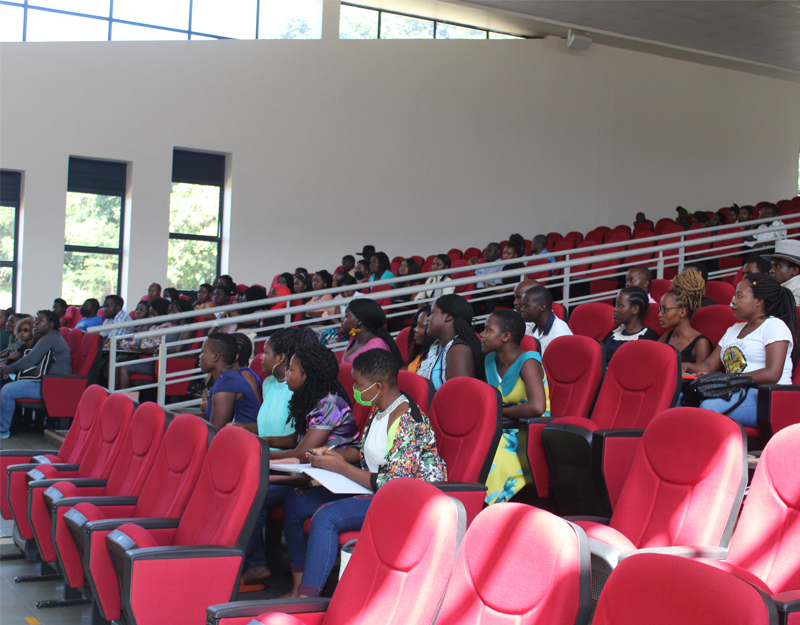
Attendees included UNIMA students and staff, emerging innovators, developers, and representatives from various organisations, including MACRA. The diverse participation created a dynamic environment that encouraged collaboration and the exchange of knowledge across disciplines.
Speaking as Guest of Honour, Dr Chomora Mikeka, an Associate Professor in the Department of Physics and Electronics, challenged participants to value human creativity and critical thinking in an era increasingly influenced by artificial intelligence. He stressed that Natural Intelligence (NI) must always be greater than Artificial Intelligence (AI), urging young people to develop solutions that address real societal needs.
Arduino Day played an important role within UNIMA’s community by bridging the gap between theoretical learning and practical application. It also encouraged students to go beyond the classroom and actively engage in innovation and technological advancement.
With ongoing support from Qubix Robotics, Robotics Foundation Malawi, and the University of Malawi, the event is expected to expand in the coming years. Organisers have expressed plans to increase participation, involve more stakeholders, and introduce competitions to further enrich the experience.