

UNIMA Research Highlights the Economic Value of Multilingualism In Informal Markets
In Malawi’s busy informal markets, the ability to speak more than one language could be more than just a communication skill; it could be a valuable economic asset.
From attracting customers to negotiating prices and facilitating transactions, language plays an important role in shaping business interactions and creating economic opportunities.
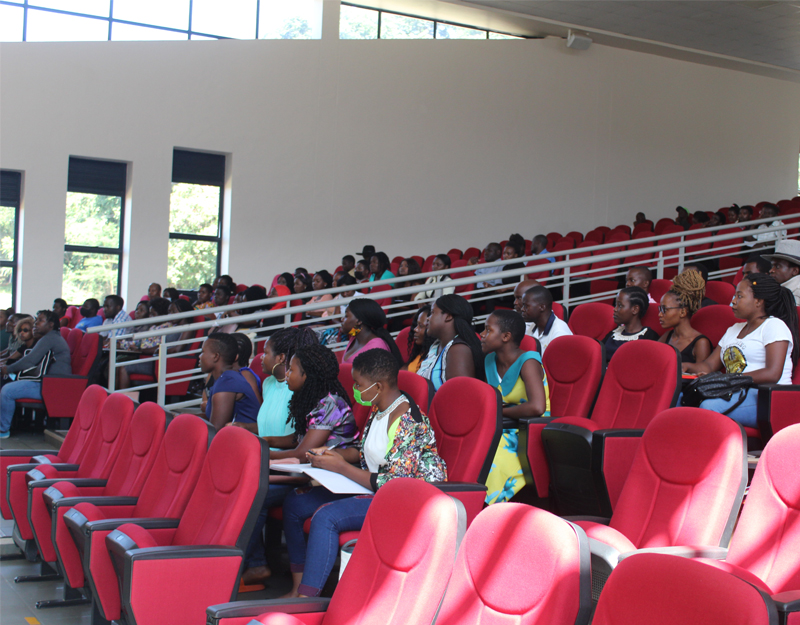
Recognising this significance, the University of Malawi (UNIMA), through the School of Humanities and Social Sciences, held a research dissemination workshop in Lilongwe on 26 October 2026 to share findings from a study examining the economic value of language use in Malawi’s informal markets.
The research, conducted with support from the University of Glasgow, University of Sterling, and the British Academy, sought to establish how language influences economic activities, particularly trade and communication within the informal sector.
The study covered selected markets in Mzuzu, Ekwendeni, Lilongwe, Chinsapo, Lunzu and Limbe, in collaboration with the respective city and district councils.
The dissemination workshop brought together various stakeholders, including representatives from Mzuzu City Council, Blantyre City Council, Lilongwe City Council and Lilongwe District Council, among others.
Speaking during the workshop, Executive Dean of the School of Humanities and Social Sciences, Dr Emmanuel Ngwira, observed that the research had not only provided valuable insights into the economic significance of language but had also raised important questions requiring further investigation, particularly regarding language policy and its implications for economic participation.
Findings from the study revealed that informal markets are multilingual spaces where traders and customers draw on different languages to conduct business. The ability to communicate in multiple languages was identified as an important resource for attracting customers, negotiating prices and facilitating transactions.
Chief Quality Assurance Officer at the Ministry of Education, William Kanyemba, commended the research, highlighting the importance of multilingualism in promoting trade and communication, particularly between Malawians and people from neighbouring countries.
He indicated that the Ministry had introduced various languages into the education system in recognition of their importance in preparing learners to operate in multilingual environments.
He further emphasised the need for stronger collaboration between UNIMA and the Ministry of Education, given the University's role in training teachers and other education professionals.
The Co-Principal Investigator, Dr Ahmmardouh Njaya, said the dissemination workshop provided an opportunity to share evidence demonstrating how language practices influence economic activities and employment opportunities in the informal sector.
He explained that the informal sector accounts for a significant share of employment in African economies, making it important to understand the language skills and practices that enable people to participate effectively in this sector.
Dr Njaya further observed that proficiency in multiple languages enables traders to communicate with a wider customer base, potentially expanding their market reach and creating more business opportunities.