

UNIMA hosts Statistical Data Display Day
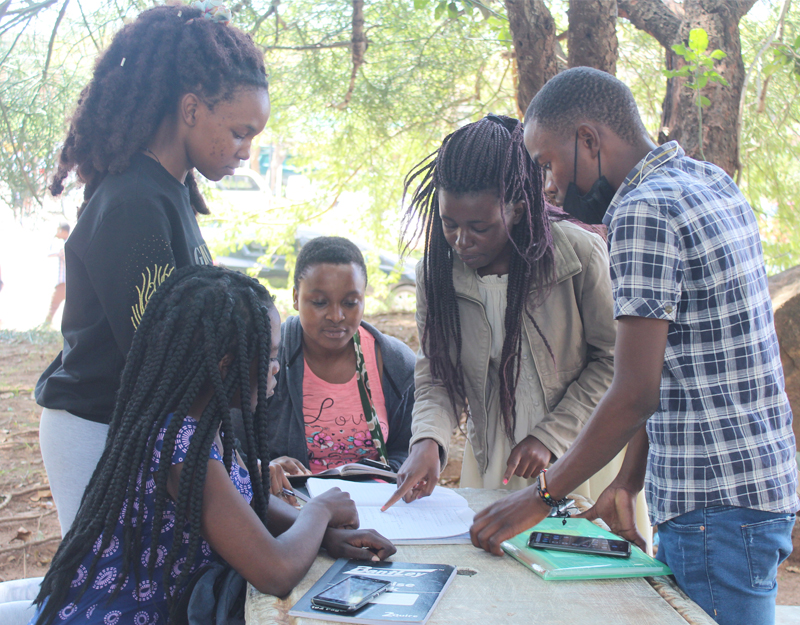
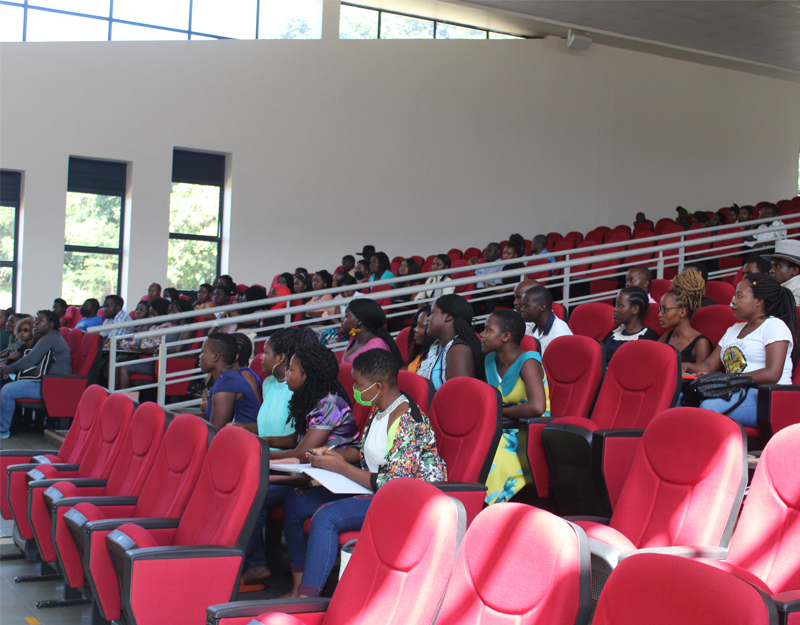
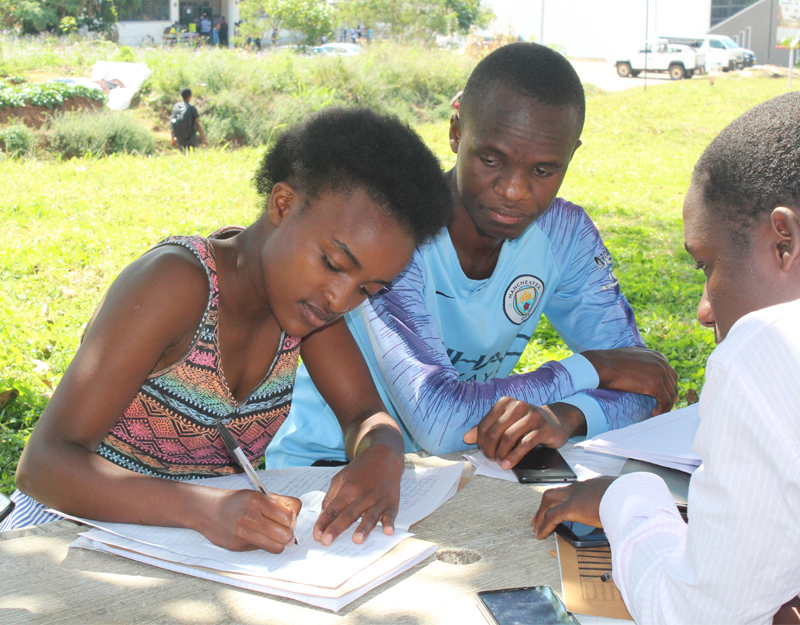
The National Statistical Office (NSO), in collaboration with the University of Malawi, recently hosted a Statistical Data Display Day themed “Leave No Researcher Behind in Data Access and Use.” The event, held at Mwambo Lecture Theatre on 2nd December 2025, attracted researchers, postgraduate students, and undergraduate students from various universities, including Mzuzu University (MZUNI) and the Lilongwe University of Agriculture and Natural Resources (LUANAR). The event, which was attended both physically and online, aimed at improving the use of national data among researchers.
Dr. Nelson Dzupire, Head of the Mathematics Sciences Department, expressed gratitude to the NSO for organising the workshop. He called for continued collaboration with the organization, and noted that that the data collected by the NSO is used across various sectors including health, education, economics, and others. The workshop therefore demonstrated how such data is collected and utilised.
As Dr Dzupire observed, the data generated by the NSO is highly significant, as it ensures the availability of credible information that can be applied across different sectors. He noted that credible data supports informed decision-making, assists in identifying patterns, and is fundamental to scientific research and policy development.
“Knowing how this data is generated is very crucial, as it ensures accurate interpretation of results and enables us to make sound decisions once the data is used,” he concluded.
Speaking during the workshop, NSO representative and Chief Statistician Mr. Gracious Hamuza outlined the mandate of the NSO, its operations, and some of its major activities. He explained that the event aimed to raise awareness of available public survey data accessible to researchers, strengthen ties between academia and the NSO to improve creative data use, and demonstrate how public survey data can be accessed and utilised, among other objectives.
He further noted that Malawi implements development policies and strategies aimed at achieving economic growth and reducing poverty, such as Vision 2020, the Sustainable Development Goals (SDGs), and Malawi 2063. Mr. Hamuza also explained the different types of data available through the NSO and how they can be accessed by following the required protocols to ensure confidentiality.
One of the participants, Mr. Leonard Kayuni, a fifth-year Bachelor of Science in Actuarial Sciences student, praised the workshop for being detailed and informative. He said he learned a lot throughout the session, including how the NSO conducts surveys and analyses data using various software tools, such as R.